Overview
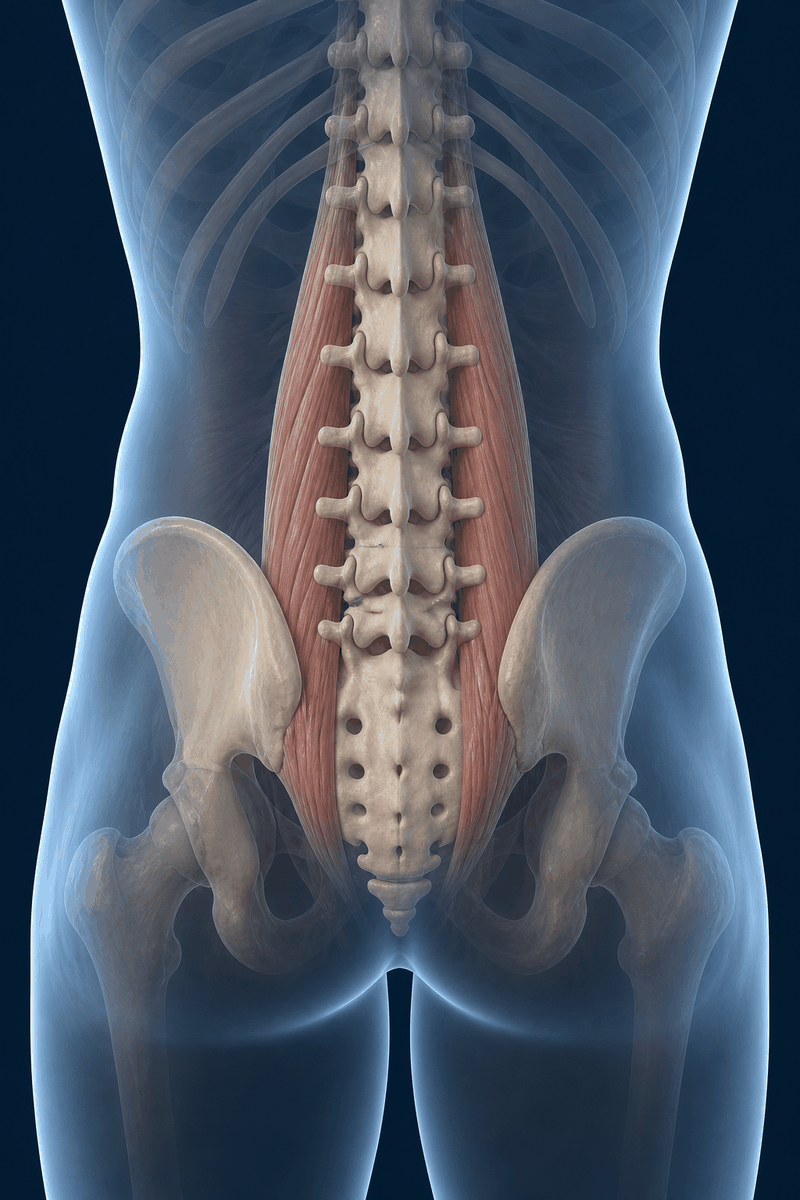
Minimally invasive spine surgery (MIS) pursues the same surgical goal as a traditional open operation — decompressing a pinched nerve, removing a damaged disc, or stabilizing an unstable segment — through a smaller footprint. Instead of one long incision and broad muscle stripping to expose the spine, MIS techniques work through small portals or tubes that move muscle aside rather than cutting through it.
The appeal is straightforward: less collateral disruption to the muscles and soft tissue that support the spine. For many decompressions — removing a herniated disc fragment or relieving pressure from spinal stenosis — and for select fusion patterns, an MIS approach can accomplish the same surgical objective as an open operation while limiting how much surrounding tissue has to be moved to get there.
That said, MIS is not the right tool for every problem. Complex deformity corrections, multi-level reconstructions, and certain revision surgeries are often better served by an open approach that gives full visualization and access to the spine. Dr. Gerlach evaluates each case on its own anatomy and surgical history rather than defaulting to one technique — the approach is chosen to fit the problem, not the other way around.
Treatment Options
When an MIS approach is a good fit, it typically involves:
- Tubular, muscle-splitting access — instruments work through a narrow retractor or tube that spreads muscle fibers apart rather than cutting through them, reaching the spine with a smaller surgical corridor.
- Typically shorter hospital stays — many patients spend less time in the hospital after an MIS procedure than after a comparable open operation, though the right length of stay always depends on the individual case.
- Earlier mobilization — patients are often able to get up and move sooner after surgery, which supports the broader recovery process in the days that follow.
Frequently Asked Questions
Is minimally invasive surgery safer than open surgery?
Not automatically. A smaller approach doesn't mean a smaller operation — the procedure inside is still addressing the same anatomy and the same risks. Safety comes primarily from choosing the right operation for the right problem and executing it well, not from incision size alone. MIS can reduce muscle disruption when it's a good fit, but it isn't inherently safer for every case.
Will I go home the same day?
Many MIS decompression procedures are performed on an outpatient basis at North Meridian Surgery Center, an affiliated surgery center. Whether same-day discharge makes sense depends on the specific procedure and your overall health, which Dr. Gerlach reviews with each patient individually before surgery is scheduled.
Does minimally invasive technique work for spinal fusion?
Yes, in selected patterns. Certain fusion procedures — particularly at one or two levels in the lumbar spine — can be performed through minimally invasive approaches. More complex, multi-level, or deformity-related fusions are typically better suited to open techniques.